Smart Contracts That Actually Work

We've been building blockchain solutions since 2019, back when most people thought smart contracts were just hype. Turns out they're incredibly useful when you need transparent, automated agreements. Our team in New Taipei has helped over 40 businesses deploy contracts that save time and reduce disputes.

See What We Build


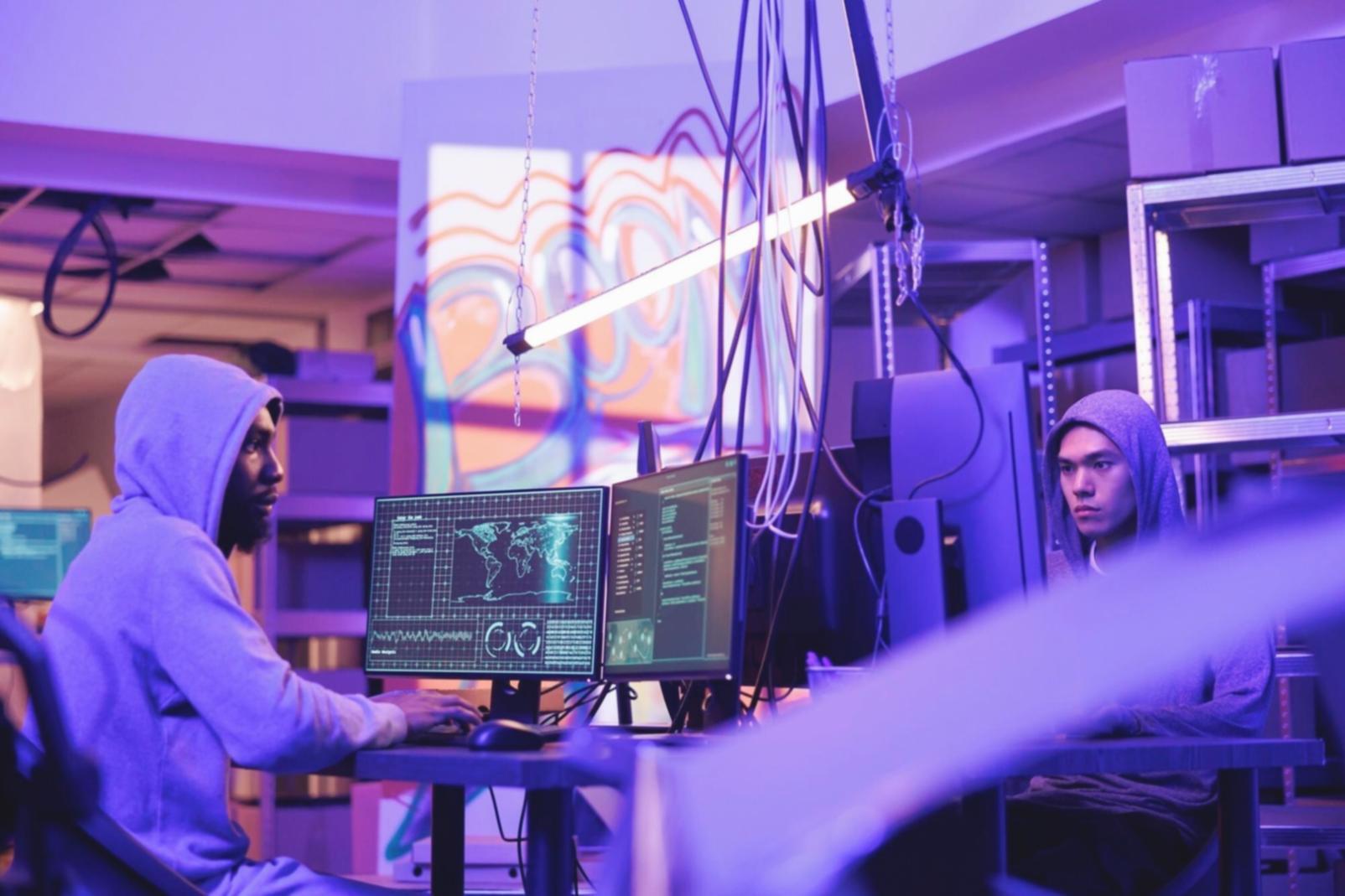
Smart contract development workspace showing code and blockchain infrastructure

We Started Small, Just Like You

Three developers, one shared office space, and a belief that blockchain could solve real problems. That was logi-deep in 2019. Our first client was a manufacturing company tired of payment delays. They needed suppliers to get paid automatically when shipments arrived.

We built them a simple smart contract. It worked. Word spread faster than we expected. Now we're a team of twelve, but we still remember what it's like to need technology that just works without the runaround.

Team collaboration workspace for blockchain development projects

Deployment Shouldn't Feel Like Surgery

Most companies make blockchain deployment sound terrifying. Honestly? It can be complicated, but not if someone walks you through it properly. We test everything on private networks first. No surprises when you go live.

Last month we deployed a supply chain contract for a textile importer. We spent two weeks in testing, found three edge cases they hadn't considered, fixed them quietly. The actual deployment took 20 minutes. That's how it should be.

Smart contract deployment process and testing environment

Taiwan's Blockchain Scene Is Growing

We're based in Banqiao District because rent is reasonable and we're close to the businesses we serve. Taiwan has this interesting mix of traditional manufacturing and tech innovation. Companies here want efficiency but they're cautious about new technology. Fair enough.

That's where we come in. We speak both languages - technical and business. We explain things without jargon. We show you exactly what will happen before anything goes live. No blockchain buzzword bingo, just practical solutions.

Business technology integration in Taiwan manufacturing sector

What We're Good At

Building smart contracts isn't just about writing code. Anyone can copy-paste from GitHub. The real work is understanding your business process and translating it into logic that won't break.

  • Custom contract development for supply chains
  • Payment automation between multiple parties
  • Audit trails that actually make sense
  • Integration with your existing systems
  • Security testing before deployment

We work mostly with manufacturing, import/export, and logistics companies. Industries where timing matters and disputes cost money.

What We're Not

Let's be clear about what we don't do. We're not cryptocurrency traders. We don't do ICOs or token launches. We're not interested in speculative projects.

  • No quick-profit schemes or trading platforms
  • No promises about market gains
  • No generic template contracts
  • No overnight deployments without testing
  • No disappearing after launch day

We build infrastructure that businesses depend on. That requires patience and proper engineering. If you're looking for hype, we're probably not the right fit.

Questions People Actually Ask

These come up in almost every first meeting. Better to address them upfront.

Depends entirely on complexity. A straightforward payment automation contract might take three weeks. A multi-party supply chain system with custom logic could run three months.

We spend the first week just understanding your process. Most bugs happen because developers didn't fully understand the business requirements. We'd rather ask annoying questions upfront than fix expensive problems later.

Smart contracts are permanent once deployed, which is both their strength and weakness. We build in upgrade mechanisms where appropriate. Think of it like having a master switch that lets you point to a new version.

We also provide six months of monitoring included in every project. If something behaves unexpectedly, we investigate immediately. After six months, you can extend monitoring or we train your team to handle it.

Not really. You need to understand your own business process really well. We'll handle translating that into blockchain logic.

We'll explain how it works at a high level, and you should understand the basics of what's happening. But you don't need to become a blockchain expert any more than you need to understand TCP/IP to use email.

Projects typically start around $15,000 USD for basic contracts and go up from there. Complex systems might run $50,000 or more. We know that's not pocket change.

What you're paying for is time and expertise. We spend weeks on security testing alone. A bug in production could cost you far more than our development fee. We've seen companies lose six figures from poorly tested contracts. Better to do it right.

Portrait of Kasper Viklund

Kasper Viklund

Operations Director, Nordic Trading Co.

We had payment disputes eating up 15 hours a week. Finance team was frustrated, suppliers were annoyed, and nothing was getting resolved faster. logi-deep built us a contract that releases payments automatically when shipping confirmations come through. Disputes dropped by 80% in the first two months. The system just works, and their team actually explained everything in plain language. That mattered more than I expected.

Let's Talk About Your Process

We're at No. 115, Zhongzheng Rd in Banqiao District. Coffee is always ready, and we genuinely want to understand how your business works. No sales pitch, just a conversation about whether blockchain makes sense for you. Sometimes it doesn't, and we'll tell you that too.

Start a Conversation
Smart contract infrastructure and blockchain technology implementation

Building Systems That Last

Our office might be modest, but our engineering standards aren't. Every contract goes through rigorous testing. Every deployment includes proper documentation. Every client gets honest answers about what blockchain can and can't do for them. That's how we've stayed in business since 2019, and that's how we plan to keep going.